弁護士の仕事には、企業法務や相続や交通事故などの一般民事、債務整理や過払い金返還請求、刑事弁護、労働事件、信託その他、様々な仕事があります。弁護士という資格は業務に制限がなく法的問題についてなんでも取り扱うことができます。この点で簡易裁判所までの代理権は得ることがある司法書士(主に登記を業務とする)、書類作成を業務とする行政書士、労務を扱う社労士、税務を扱う税理士、監査などを行う公認会計士などとは異なります。

最近は弁護士がテレビなどに出演するなど親しみやすい印象もありますが、昔ながらの業務、例えばM&Aや企業法務をはじめとする企業法務弁護士などはあまり表には出てこず企業の高度な相談を受けています。日本にはたくさんの弁護士を擁する大手法律事務所がこれらの企業法務を取り扱うことが多いです。
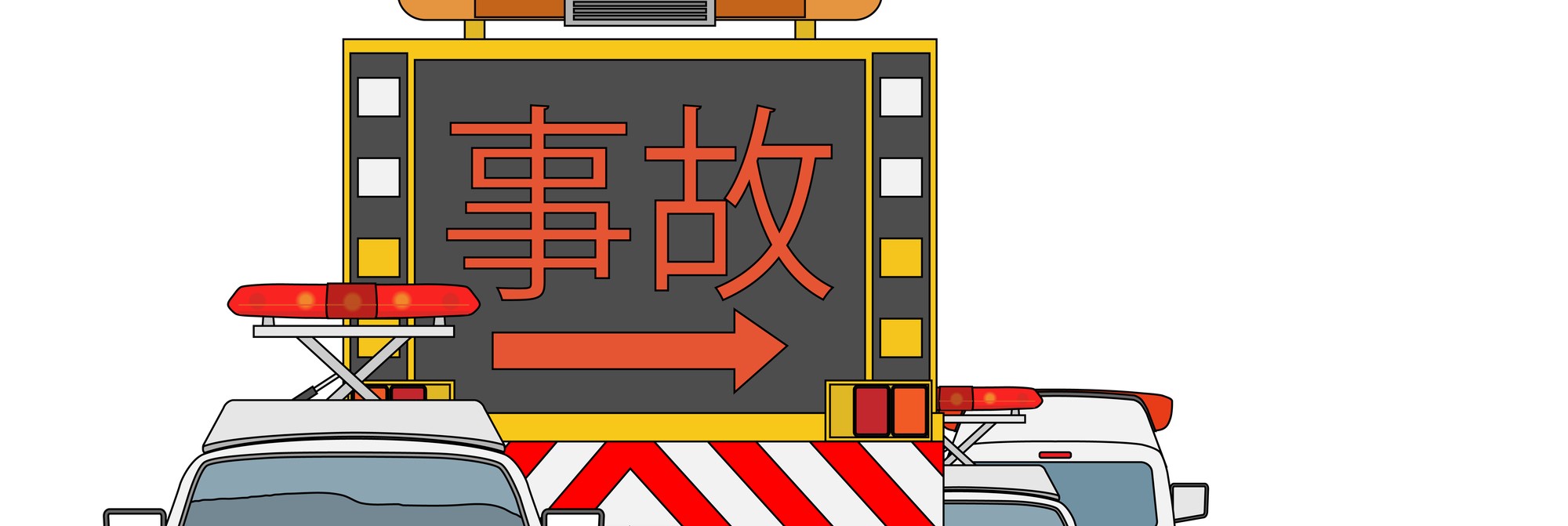
また、一般民事を扱う弁護士も多くいらっしゃいます。特に被害者の救済をしてくれる弁護士は市民の味方です。交通事故被害にあった交通事故被害者は加害者側の保険会社との関係でとても弱い立場(情報、損害賠償実務の経験不足、その他の点で)ですが、交通事故被害者専門の弁護士もいて交通事故被害者の味方として経済的救済をしてくれます。
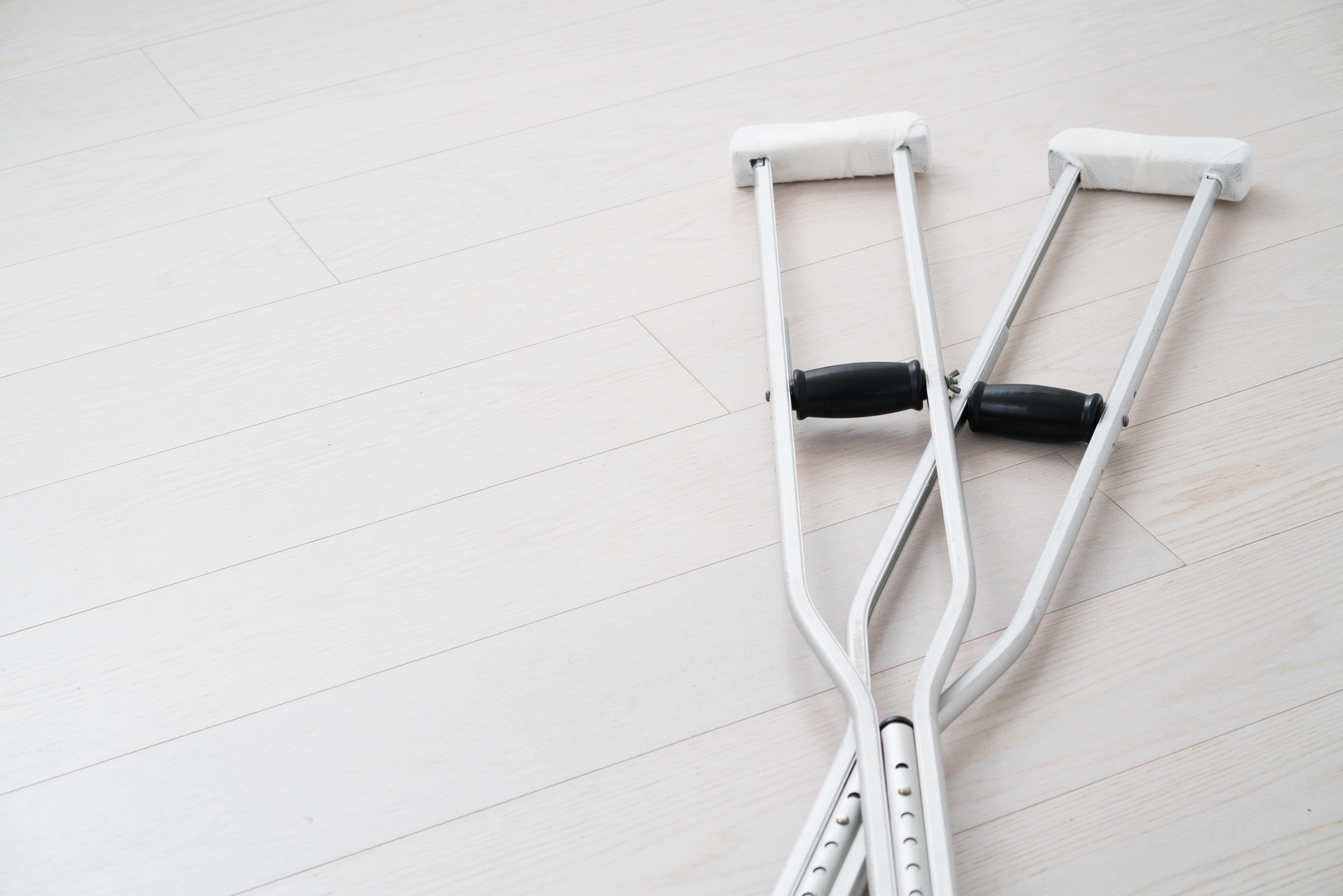
交通事故で被害者の多くがむちうちや骨折などの外傷を負うことが多いのですが、このような身体的な後遺症だけではなく精神的な後遺症も起きてしまう事も少なくありません。
代表的なものとして知られているのがPTSDやうつ病などの非器質性精神障害と呼ばれる精神障害であり、交通事故によるトラウマや恐怖体験が引き金となって発症するものや身体的な後遺症とその治療がきっかけで発症するものなど非器質性精神障害にも種類があります。
いずれの場合も脳組織に物理的な損傷がない精神障害なので気付かれにくいのですが、正しい治療を受けないと日常生活や社会生活に支障をきたす事になるのでずっと抱え続けなければいけない障害となっています。
この非器質性精神障害になると身体的な後遺症と同じく交通事故後遺障害として認定されるのですが、非器質性精神障害にも種類があるので認定される内容にもいくつかの基準が設けられています。その基準となっているのが精神状態と能力に関する状態がポイントとなっており、精神状態と能力それぞれのレベルの差が大きいかどうかによってどの程度の後遺障害として認定されるのかが異なっています。
現在非器質性精神障害による後遺症障害の等級は第9級・第12級・第14級の3段階に区分されており、特に第9級の場合は日常生活だけではなく就職にも大きな影響を与える可能性がある場合に認定されるものとなっているため職種が制限されるなどの問題があるとされています。
精神障害の後遺障害については交通事故に詳しい交通事故 弁護士に相談しましょう。
任意保険は同乗者と運転者の関係性で補償範囲が異なる
自動車保険は、事故を起こした相手に対して支払われるものと思い込みがちですが、事故を起こした側の同乗者に対しても支払われます。ただし、対人賠償責任保険や人身傷害補償特約の場合、運転者と同乗者の間柄によって保険金が支払われるかどうかが変わってくるため、注意が必要となります。
対人賠償責任保険や人身傷害補償特約において保険金が支払われるのは、運転者の配偶者、子、父母以外の同乗者に損害が出た場合です。つまり、運転者の友達や恋人、兄弟は保険金が支払われることになります。特に「配偶者」には保険金は支払われませんが、「恋人」には支払われるという点には、注意しておく必要があると言えます。
なお、交通事故には、ガードレールや電柱などへの衝突など、相手がいない場合と、自動車同士の衝突など、相手がいる場合があります。これらのうち、前者の場合は、運転者に対して対人賠償責任保険や人身傷害補償特約が適用されない場合がありますが、同乗者であれば、いずれの場合でも保険金が支払われます。
また、自動車同士の衝突など、相手がいる事故の場合は、運転者からの対人賠償責任保険や人身傷害補償特約だけでなく、事故を起こした相手側が加入している保険からの保険金が支払われる場合もあります。こちらの場合は、運転者の配偶者、子、父母などであっても、除外対象とはなりません。ただし、事故が物損事故として取り扱われると、相手からの保険金は支払われないため、人身事故として警察に届け出を行う必要があるという点に注意する必要があります。
交通事故と精神障害の関連性について
脳外傷による高次脳機能障害など器質的な精神障害の他にも、精神的なトラウマなどももたらします。
心的外傷後ストレス障害(PTSD)やうつ病といった精神障害は、交通事故経験者の間でしばしば観察される現象です。これらの障害は、事故の恐怖や悲しみが長期間にわたり自身を苦しめ続ける結果をもたらします。
例えば、PTSDは交通事故後に発症する可能性があります。以下は、PTSDの主な症状の一部です。
事故のフラッシュバックや悪夢、過度の警戒心や驚きやすさ、うつ病や不安などがよくあります。
また、交通事故が原因でうつ病を発症することもあります。以下は、うつ病の主な症状です。元気が出ない、落ち込んでいる、食欲不振、睡眠障害などです。
これらの精神障害は、日常生活に大きな影響を及ぼし、治療を必要とします。
しかし後遺障害の等級に該当しない限りは、法的な後遺障害としては損害賠償請求の対象となることが法律的に難しい現実もあります。
専門家による診断の重要性
交通事故による精神障害の存在を証明するためには、専門家による診断が不可欠です。
主治医など医師や臨床心理士などの専門家が症状について評価を行い、精神疾患の診断基準に当てはまるかを確認します。
これにより、後遺障害などの前提として、事故後に新たに発症した精神疾患の存在が明確になります。
また、専門家による診断は、精神障害による日常生活への影響や治療に必要な費用など、具体的な損害の規模を証明するためにも必要となります。
しかしやはり最も大事なのは、法的な後遺障害として等級をとることです。
ここは医師の専門領域ではありません。交通事故に強い弁護士に相談し、後遺障害の獲得について相談する必要があります。後遺障害診断書を医師に書いてもらうタイミングなどの相談もできます。